What Is a Climate Risk Assessment?
Climate risk assessment is a process of analyzing a company’s operations, assets, and value chain to identify the most significant climate risks it could face, both now and in the future. The evaluation looks at a company through the lens of climate change, parsing how staff, operations, resources, product delivery, and finances could be affected by these external events. Overall, you want to walk away from a climate risk assessment with a clear view of what climate-related risks your business is exposed to.
Different Types of Climate Risks
Typically, climate risk assessment evaluates a business’ risks in two categories: physical and transition risks.
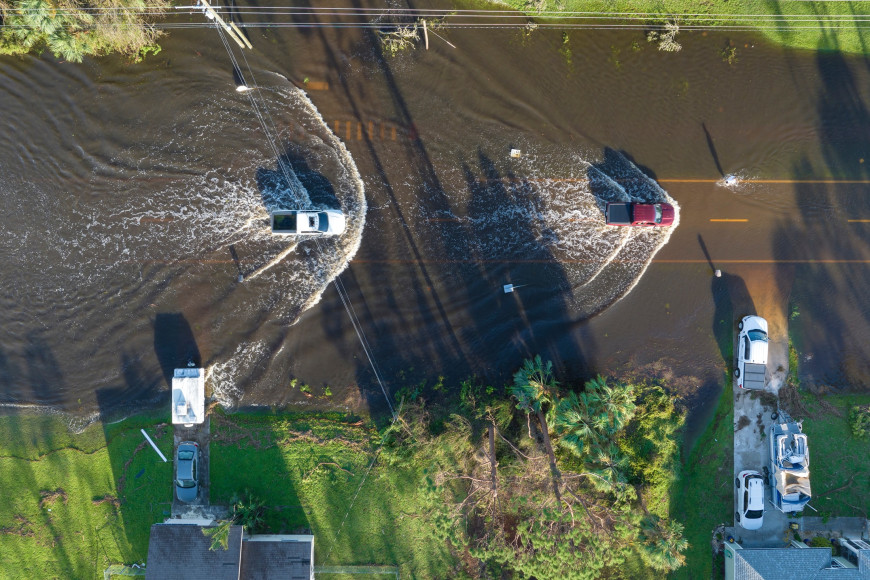
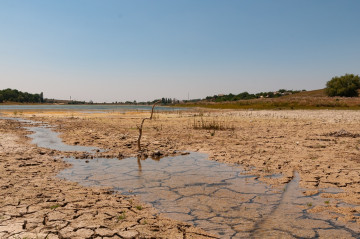
Physical risks are the ways in which climate change could disrupt a company's physical assets, facilities, employees, and operations in short-term (acute) or ongoing (chronic) changes to weather. For example, excessive heat conditions could harm workers, or repeated flooding could lead to the decommissioning of a facility.
Transition risks encompass policy and law, technology, reputation, market, and more. These risks arise from the shift toward a lower‑carbon economy as policies, technologies, and market expectations evolve to reduce greenhouse gas emissions. While setting targets such as carbon neutrality or net zero can be relatively straightforward, achieving them often requires significant investment in new technologies, operational changes, and value‑chain adjustments, which can introduce unexpected costs and competitive pressures. Transition risks may also include legal and regulatory exposure if companies fail to comply with emerging climate‑related requirements, or if public disclosures about climate commitments and performance are misleading or incomplete.
How Are Climate Risk Assessments Conducted?
Climate risk assessments are complex processes that require data gathering, predictive modeling, prioritization, and ultimately, action to address what’s been uncovered in the assessment. Support from expert practitioners and consultants ensures that each step is carried out thoroughly and effectively.
Climate risk assessment begins with identifying a company’s physical and transition risks, as well as its vulnerabilities to these risks under different futures scenarios. Physical and transition risks like those outlined above can be identified through geophysical analysis, desktop research, and/or stakeholder engagement.
Vulnerability mapping, the other key component of this part of the process, assesses potential climate-related hazards and draws connections to how and where risk exposures are most likely to affect the company and its stakeholders if they are realized. This forecasts how employees, protocols, resources, communities, and investments will be directly affected by climate-related risks. Impact will vary between different arms of your business.
Vulnerability and risk exposure mapping will uncover countless risks. But because it’s not possible to tackle all of them at once, companies must prioritize identified risks. You’ll want to assess which matters the most based on urgency, possible financial losses, safety concerns, and reputational damage. Take each risk and identify those that are both highly probable (exposure) and will have the most significant impact on your company (vulnerability). Those are the ones to address first.
From there, you can develop an action plan to correct these internal issues. You can also revisit prioritizing impacts over time. Just as regulations change, so will what is most important to your business. Ongoing climate risk assessment will ensure that your company is always on the cutting edge of sustainability. It is recommended that the full climate risk assessment process be completed every 2-3 years or as the company faces large changes in geography or structure, such that may arise with mergers & acquisitions, closures, and market prioritization shifts.
Benefits of Climate Risk Assessments
Climate risk assessments are undertakings that deliver returns to both your company and the community it serves. Here are four of the most significant ways an assessment can empower your business:
- Strengthening resilience. As the saying goes: an ounce of preparation is worth a pound of cure. Climate risk assessments prepare companies to be adaptable to the ongoing effects of climate change. It reduces moments of surprise, ensures action plans for risk-related events, and gives businesses more fortitude to bounce back from disruptions.
- Identifying opportunities. The holistic nature of a climate risk assessment means that it identifies both risks and opportunities in one exercise. The kind of deep analysis required to complete an assessment provides a fresh point of view for discovering new potential and rethinking existing work, making a compelling business case for the undertaking, beyond just addressing potential threats.
- Informing investments. With a clear view of climate risks, companies can budget for long-term climate-friendly planning. This could mean upgrading technologies, reinforcing facilities, protecting assets, and more. Either way, a business can invest to minimize future risk with confidence.
- Supporting Enterprise Risk Management (ERM). ERM is all about anticipating future mishaps. Conducting a climate risk assessment will only strengthen a company’s ERM strategy. All findings should be integrated into ERM so that climate-related risks are given the same attention as others.
Guidance on How To Get Started
While you may be on board with performing a climate risk assessment, it may take some work to get proper funding and support from executives. The first step to getting there is to engage key stakeholders within your company. Identify departments that could be affected by assessment findings, and start documenting relevant information. Enterprise-wide collaboration will be essential to the process. Teaming up with legal, finance, operations, and more will bolster your case. Additionally, when department leadership invests in climate risk assessment, it’s easier to get executives to follow. A cross-functional workshop, led by your external partner in conducting the CRA, is another opportunity to engage executives and other leaders in understanding the business value of an assessment.
However, don’t just rely on internal resources. While your company’s leaders are experts in their field, they may not be experts in climate risk assessment. Connecting with external partners who have experience in risk assessment will take the guesswork out of the process. Having an objective external expert to guide you not only through the assessment, but also through internal conversations with leaders, makes the process more efficient and effective.
Building a better future
Climate risk assessment isn’t just a tool to help you navigate the now. It's an investment in resilience that will only enhance the long-term value of your company. If you are ready to take the next step in your commitment to sustainability and the environment, get in touch today. We offer a variety of climate-related risk assessment services to help your business stay strong and agile, no matter what extreme weather comes your way.